Sleep & Materials
How Natural Fillings Shape Comfort in Luxury Mattresses
A mattress’s comfort story begins before you settle in for the night. Wool, cotton, and horsetail each bring a distinct feel to the layers beneath the cover, influencing cushioning, airflow, and how the surface responds as you move.
Published October 23, 2026
Luxury mattresses are often described in terms of spring counts, firmness choices, or the promise of a softer landing. But there is another part of the construction worth getting to know: the fillings. These materials sit between the outer fabric and the support system, shaping the first impression when you lie down and influencing how the surface feels over the course of a night.
Natural mattress fillings such as wool and cotton are valued for their familiar, breathable qualities. Horsetail, used in some traditional constructions, can contribute a more buoyant feel and create open pathways for air within upholstery layers. The difference is not just a matter of reading a label. How much of each material is used, where it sits, and how the layers work together all matter.
That’s useful news for anyone comparing luxury mattresses: there is no single “best” natural filling for every sleeper. One person may prefer a cushioned, yielding surface; another may want a springier feel or a lighter, less enveloping comfort. Understanding the materials can help make the decision less mysterious—and make a showroom test more informative.
What mattress fillings actually do
Fillings form the comfort upholstery above a mattress’s spring or support unit. They soften the transition between the body and the core, distribute pressure across the surface, and help determine whether the bed feels plush, resilient, or somewhere in between. They also affect how the mattress handles warmth and moisture.
Think of the layers as a team rather than a collection of competing ingredients. The material closest to the ticking—the fabric cover—can shape the initial sensation. Layers beneath it may add loft, help the surface recover after pressure, or create a stable base above the springs. A mattress can include several fillings, each selected for a particular role, so the name of one material rarely tells the whole comfort story.
Construction matters, too. A natural fibre can be arranged loosely for a more airy, yielding feel or compressed into a denser layer for stability. Hand tufting, stitching, and the way the upholstery is secured can help keep fillings evenly distributed. In other words, a premium ingredient is only part of the picture; its placement and workmanship influence what you feel.
Wool: a soft, adaptable layer
Wool is a familiar choice in natural mattress fillings because it can offer a cushioned, gently resilient feel while allowing air to move through the upholstery. Its fibres can absorb and release moisture vapour, a quality that helps explain why wool is often associated with a more comfortable sleep climate. It is not a temperature-control system, and it cannot guarantee that every sleeper will feel cool, but it can contribute to a breathable construction.
The type and preparation of wool make a difference. Fleece wool, for example, may be layered with cotton or used alongside other fibres. Real Shetland wool can bring a distinctive loft and crimp, while hand-teased wool is opened up to preserve a more airy structure. The finished feel depends on the thickness of the layer, the materials around it, and the mattress’s underlying support.
Wool often appeals to sleepers who want some softness without an overly sink-in sensation. It may compress gently under the shoulders and hips, then recover as pressure shifts. Still, “wool mattress” is not a precise firmness description. Two mattresses featuring wool can feel strikingly different because their spring tensions, layer amounts, and upholstery arrangements may not match.
Cotton: an even, breathable foundation
Cotton is another common natural filling. In mattress upholstery, it can provide a soft, breathable layer and a more even base beneath loftier materials. It is often blended with wool, allowing the combination to balance cushioning and structure. Cotton’s role may be subtle, but it can help a filling stack feel consistent rather than lumpy or overly springy.
As with wool, the word “cotton” alone does not predict the final comfort. Cotton can be bonded or blended, placed close to the springs or higher in the upholstery, and used in varying amounts. These choices influence whether it contributes a firmer foundation or a softer surface. It also works in concert with the mattress cover, spring system, and any additional fibres.
Some mattress constructions pair British fleece wool and cotton in more than one layer. The upper layer can provide immediate cushioning, while a lower layer helps support the upholstery and contribute to moisture management. This kind of arrangement illustrates why it is helpful to ask not only what a mattress contains, but how the layers are organized.
Horsetail: a more buoyant character
Horsetail is used in some luxury mattress upholstery for a reason that is easy to appreciate once you know what to look for: it can bring a springier, more responsive quality to the surface. Its fibres are naturally structured, and when opened and arranged as a filling, they can create an airy layer with a little more rebound than a densely packed, purely soft material.
That does not mean a horsetail mattress will feel firm, or that it will suit every sleeper. The overall sensation depends on how the horsetail is blended and where it sits. A layer of long-stranded horsetail mixed with wool may feel different from one used alongside silk, cashmere, or other fibres. The support system underneath still has a major influence on how the body is held.
Horsetail can also contribute to airflow through the upholstery. That is one reason it appears in traditional, carefully layered constructions. The material is not a substitute for a well-designed mattress or suitable bedding, but it may form part of a broader approach to creating a breathable sleep surface.
How layers create a distinct feel
It can help to picture a mattress as a sequence of sensations. The ticking offers the first touch. The top filling influences how quickly the body meets the cushioning. Deeper upholstery can add resilience and help distribute pressure, while the springs or other core system provide the main support. Every layer affects the next.
A wool-and-cotton construction may feel comfortably cushioned and balanced. Add horsetail, and the surface may gain a more buoyant quality. Introduce silk or bamboo near the top, and the initial feel may become smoother or lighter. These are broad tendencies rather than promises: a sleeper’s body, preferred position, and perception of firmness all influence the experience.
Layer order matters. A fibre near the surface may have a more immediate influence on touch and initial cushioning, while a filling deeper in the mattress can contribute to the way the upholstery holds its shape. A carefully built mattress coordinates these materials rather than simply piling them together. That balance is part of what separates a thoughtfully constructed luxury mattress from one described only by a long ingredient list.
Natural fillings and temperature comfort
Many shoppers look for a mattress that feels less stuffy through the night. Natural fibres can contribute to breathability, and wool’s ability to interact with moisture vapour is often part of its appeal. Openly structured fibres such as horsetail may also help air move within the upholstery. Together, these features can support a more comfortable sleep environment.
But mattress materials are only one piece of temperature comfort. Bedroom temperature, bedding, sleepwear, humidity, and individual differences all count. A warm sleeper may still feel warm on a mattress with breathable fillings, especially under heavy covers or in a hot room. Conversely, another person may find the same surface comfortable. It is sensible to treat material claims as helpful clues, not guarantees.
When testing a mattress, spend enough time on it to notice more than the first few seconds of softness. Pay attention to whether you feel heat building, whether the surface feels clammy, and whether you can settle into your usual sleep position without constantly adjusting. A brief showroom test cannot reproduce a full night, but it can help you identify what feels promising.
Pressure relief, support, and personal preference
Comfort is not simply softness. A mattress should cushion pressure points while supporting the body in a position that feels natural. If the top is too firm for your needs, shoulders or hips may feel pressed. If it is too yielding, you may feel as though you are sinking more than you like. Natural fillings can shape the surface, but the core and its tension are equally important.
Side sleepers often pay close attention to cushioning around the shoulder and hip. Back sleepers may focus on an even, supported feel through the torso. Stomach sleepers may be more comfortable on a surface that does not allow excessive sinking around the middle. These are starting points, not rules: body proportions, weight, mobility, and personal comfort can change what works.
For couples, a shared bed may need to accommodate different preferences. Some pocket-spring mattresses offer separate firmness choices on each side in certain sizes. That feature does not change the nature of the fillings, but it can help partners choose a support feel that suits them while sharing one mattress.
Three Vispring examples, three ways to think about materials
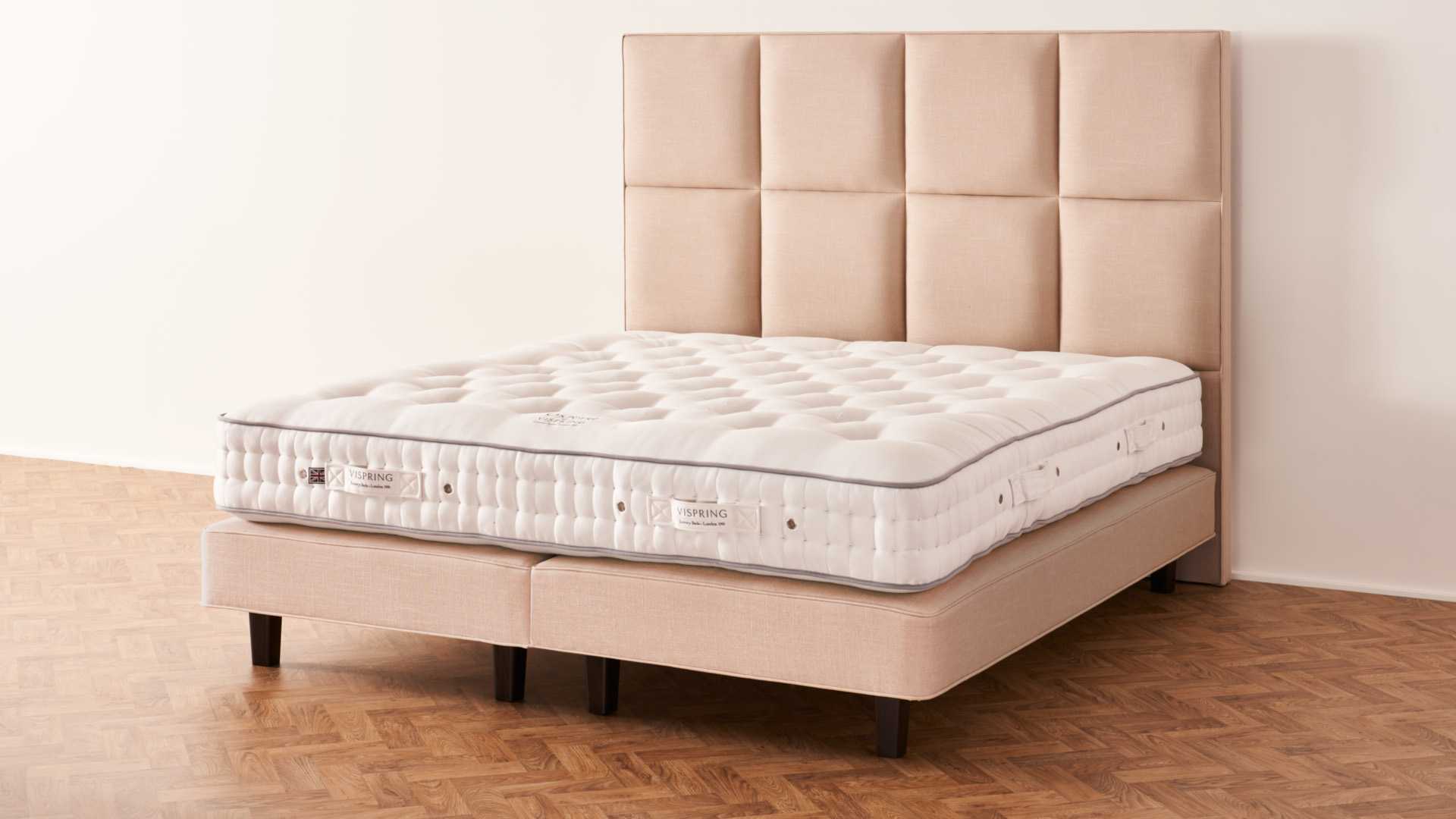
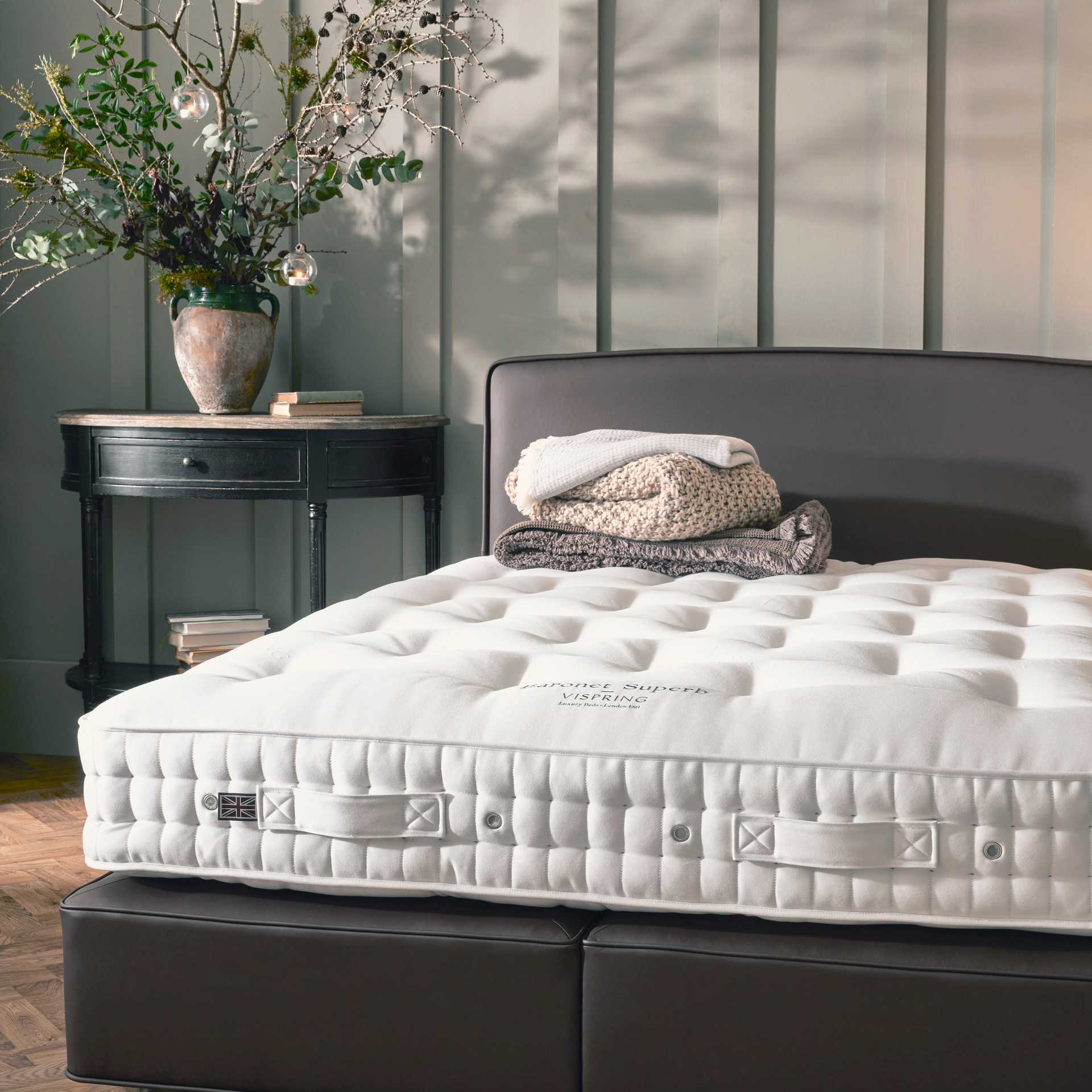
Product specifications can make the relationship between fillings and construction easier to see. The Vispring Baronet Superb, for example, combines British fleece wool and cotton in two upholstery layers above its pocket springs. Its construction offers a useful illustration of how a mattress can use familiar natural fibres for cushioning and a breathable filling stack without relying on a long list of materials.
The Vispring Herald Superb also uses British fleece wool and cotton above its pocket springs. Its four available spring tensions—Soft, Medium, Firm, and Extra Firm—show why fillings are not the only factor to consider when comparing comfort. The same general family of upholstery fibres can sit above a spring system configured for different support preferences.
For an example that brings horsetail into the discussion, the Vispring Regal Superb layers real Shetland wool and cotton near the sleep surface, long-stranded horsetail blended with British fleece wool in the middle, and bonded British fleece wool and cotton nearer the springs. It demonstrates how distinct materials can have different jobs within one mattress: loft and softness near the top, a more open and resilient middle layer, and a stable base underneath.
These examples are not a ranking. Their purpose is to show why construction details can be more useful than a single headline material. Comparing the layers, spring tension, and overall feel helps explain how a mattress may behave—and gives you better questions to ask before choosing.
What to ask when comparing luxury mattresses
When you are shopping, a few practical questions can bring the specifications to life. Ask which fillings are closest to the surface, what materials sit deeper in the upholstery, and whether the fibres are blended or used in separate layers. Find out whether the mattress is available in different spring tensions and, if you share a bed, whether split firmness is an option in your chosen size.
It is also worth asking how the upholstery is secured. Hand tufting and side-stitching are construction details, not fillings, but they can help keep materials in place and support the mattress’s shape. Ask about care instructions, turning or rotation requirements, and the maker’s guidance for maintaining the mattress. A well-made product still benefits from following its specific care recommendations.
- Describe the feel you want. Do you prefer a plush first impression, a gently yielding surface, or a more buoyant response?
- Test your usual position. Lie down as you would at home and notice whether pressure builds at your shoulders, hips, or other contact points.
- Compare layers, not labels. Look at where wool, cotton, and horsetail appear, and how they work with the spring system.
- Give the mattress time. Take a few minutes to settle rather than judging the surface by a quick press with your hand.
- Consider the whole sleep setup. Your bed base, pillows, bedding, and room conditions also influence comfort.
The takeaway: ingredients matter, but the blend matters more
Wool, cotton, and horsetail each offer qualities that can make a difference in a luxury mattress. Wool can bring soft resilience and help manage moisture; cotton can provide a breathable, even foundation; and horsetail can add a springier character and an open structure within the upholstery. Their contribution depends on how they are prepared, layered, and paired with the mattress’s support system.
Rather than searching for a single magic fibre, focus on the complete construction and the way it feels to you. Look beyond the material names, compare the order and purpose of the layers, and pay attention to how the mattress supports your preferred sleep position. The right choice is the one that balances cushioning, support, and temperature comfort in a way you can appreciate night after night.
Natural fillings can tell you a great deal about a mattress—but your own comfort is the final measure. Take the time to test, ask specific questions, and choose the surface that feels genuinely restful, not merely impressive on paper.